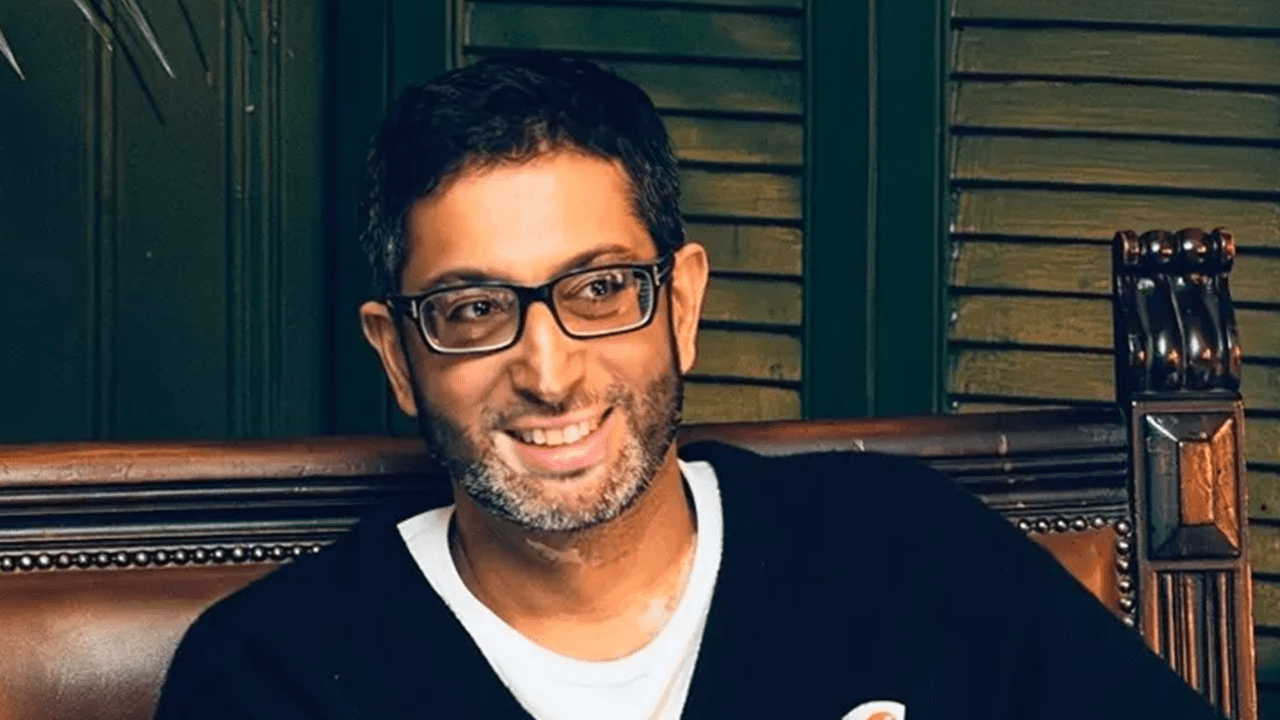
Inside Bandcamp: Beyond Streaming with Aly Gillani
Bandcamp has long stood apart in the digital landscape as an online record store and music community, built to bring artists and fans together in one place and to turn support into real connection. It gives artists and labels a storefront where music and merch sales live alongside streaming previews, community tools, and a strong editorial voice.
With an artist first model where most revenue from a sale goes back to rightsholders, it remains a key platform for discovery and sustainable independent careers. This ideology shows up in concrete initiatives, from Bandcamp Friday, when the platform waives its revenue share to support artists and labels, to its recent position on generative AI. Earlier this year, Bandcamp stated that music generated wholly or in substantial part by AI is not permitted on the platform, one of the clearest lines drawn by a major music platform so far.
To explore how this ecosystem works in practice and what it means for today’s indie releases, we sat down with Aly Gillani, Bandcamp’s Artist and Label Relations Lead, to discuss best practices, audience building, and what direct-to-fan can unlock in 2026.
What is special about Bandcamp for the artists?
For indie artists, Bandcamp is about giving them back control over how they communicate with fans, sell their music, set prices, and choose products. We try to make it as simple as possible.
Bandcamp’s origin story is simple and telling. Around 20 years ago, its founder left a show wanting to support a band he had just discovered, but buying their music online turned into a frustrating chain of broken links, improvised file sharing, and messy, unlabeled downloads. That moment highlighted a gap: artists needed a reliable, fan-friendly way to sell their work online.
That’s why Bandcamp was born: to help artists focus on what they’re best at rather than having to learn all these other skills just to survive and thrive in their career.
As the founder of First Word Records, how did you end up leading the artist and label relations team at Bandcamp?
I started using Bandcamp for my label, First Word, around 2009. We already had an online store, but it was hard to use, and Bandcamp arrived at exactly the right time. Back then Bandcamp was tiny, and I would sometimes get replies directly from the founder and CEO, Ethan Diamond.
A few years later, I was looking for additional work, because it can be tough to make a living from running a label alone. Around the same time, Bandcamp was preparing to launch label accounts. Because the team knew me and was based in London, they invited me to test the new label program, launched in December 2014.
I really wanted to be part of what they were building, and ended up working for Bandcamp in 2015, initially two days a week, doing outreach to bring labels onto the platform. It grew into a full time role as the UK rep for labels, and later the Europe rep role. Eventually we expanded the remit to include both artists and labels, because the support and guidance is essentially the same, even if the account types differ.
Last year I became the team lead. There are five of us in outreach, based in London, Berlin, New York, Oakland, and Portland, and we onboard new artists and labels, keep existing sellers updated on new tools, help with support issues, and share best practices to help people grow.
How do you approach a label and explain what is valuable about Bandcamp?
It really helps that I run my own label, because I can speak from personal experience. I can explain how Bandcamp can become a meaningful part of a label’s income, and how it can help solve real day to day pain points.
Setting up a page can take 20 minutes, but doing well takes consistent work, and our role is to help sellers build audience and revenue over time.
A big part of the value is the audience. There are fans on Bandcamp you do not always reach elsewhere, and for many artists and labels, being absent from Bandcamp means missing a portion of listeners who actually want to buy music and support directly.
It takes time and effort, and it is not a quick win like being added to a playlist. But we have enough examples to show that, when people put the work in, results tend to follow.
Which feature do you think is still overlooked?
Listening Parties are a strong feature that not enough people use. Bandcamp introduced them recently to let artists and labels host a scheduled, album focused listening event with fans. It offers real time chat and the ability to buy during the session, which makes it feel both communal and commercially useful.
One of the best parts is that it helps move fans from social media into a space where you can build a direct relationship and have more control than you do on algorithm driven platforms. It also works at any scale, whether you are emerging or established, it creates a genuine moment to connect, and feel the support around a release.
Releasing music can be isolating when you are just posting into an endless flow of new music. A Listening Party can turn release day into something that feels shared.
How did Bandcamp Friday start, and why is it so important?
Bandcamp Friday began during the COVID 19 pandemic as a way for Bandcamp to waive its revenue share for a day so more money goes directly to artists and labels. The point of that is to really underline what we’ve always believed, which is that if you want the artists you love to carry on making the art that you love, you need to pay them.
When we started, we didn’t even know if fans would pick up on it because it was such a weird time. But it was crazy. On a typical Friday, we usually made between $300,000 and $500,000 in sales. But the first Bandcamp Friday brought in $4.3 million. The second one, $7.1 million. And it’s pretty remarkable to see how consistent it remains.
We’re going to be running eight of them this year, which is more than I think we’ve done since 2020 even, because there’s still just a really good coming-together point for the community. It also works well for fundraising, because more of the money from purchases can go straight to the people or causes being supported.
What practical advice would you give to artists and labels starting on Bandcamp, or want to improve their results?
First, I would point people to the Artist Guide at bandcamp.com/guide, because it is a clear, practical list of tools and best practices. If you follow the steps, you put yourself in a strong position.
A few practical tips: Design your page and tell your story, add descriptions and images wherever you can. Make the style fit your personality, your online presence elsewhere.
A cool thing we discovered was that items with a description about the release sell 20% better than those without a description.
If you can sell physical products, do so, as this accounts for half of the spending on Bandcamp. That doesn’t mean you need to press 500 records, it could be postcards or cassettes.
Use messaging to speak directly to your audience. Also make sure your metadata and tagging are clean so people can discover you through search and genre browsing.
The last big one is pitching your music to Bandcamp Daily. Follow the official pitching instructions, and reach out well in advance – ideally around eight weeks before your release date – since the editors plan ahead.
How can an artist grow their community on Bandcamp?
Bandcamp does not require exclusivity, so emerging artists usually do best by being present wherever fans might find them, while using Bandcamp as the place where your most engaged supporters can actually buy and you can build direct relationships.
Bandcamp works best for the long run, not the quick fix. If you keep at it and the music connects, you can really find your place there.
A key difference is that Bandcamp lets you collect fan data. You can download the email addresses you collect and use them for your own mailing list, and that data remains yours to use.
Pricing also matters. Bandcamp lets you set a minimum price and allow fans to pay more. Over 23% of the time, people choose to pay more than the minimum asking price. That’s the kind of fans we have: not only are they willing to pay to listen to your music when they could listen to it for free, but they even give you more than you ask for, which is amazing.
That’s worth investing your time into because you’re really building something that can actually help you build a career, rather than just sort of throw something out there and hope that something happens.
Finally, a word of encouragement for people who hesitate to join Bandcamp?
Give it a try. Bandcamp is free to use at the basic level and only takes a share when you sell something, with fees of 10 or 15%, depending on whether it’s physical or digital. We’re very committed to that fairness.
Also, if you download our app for artists, you actually get a notification every time someone buys something, that’s such an encouragement.
And for fans, spending time on the homepage and Bandcamp Daily is a great way to discover music you might not find elsewhere.