La Femme : On their own terms, from the start
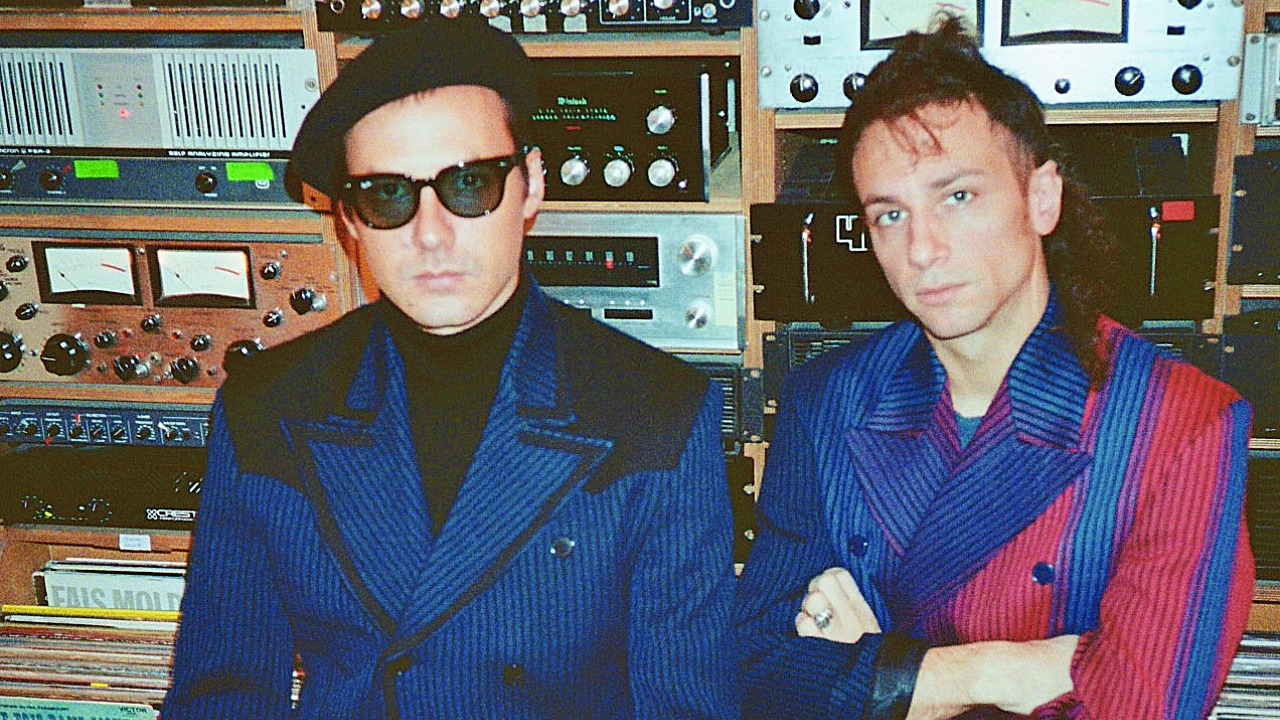
In 2026, IDOL celebrated its twentieth anniversary. Two decades of independent digital distribution spent alongside artists who have chosen to control their destiny. To celebrate this milestone, we spoke with two of the finest examples of this journey: Marlon Magnée and Sacha Got, founders of La Femme. A look back on a fifteen-year career, moving from small bars in Bastille to a sold-out show at Bercy. The duo have carved a path without compromise, driven by instinct, high standards, and a love for freedom.
Looking back at La Femme’s history, it’s pretty DIY - self produced with a small, trusted team. What memories do you have of those early days?
Marlon: It was tough, especially at the start. The hardest thing in a musical career is finding your place. But looking back, they were great adventures. We’re proud of ourselves, because, our success, we only owe it to ourselves.
Sacha: We were winging it! We didn’t have resources, so we made do with what we had. That’s the DIY spirit. Our first music videos were shot with a small Lumix camera I got for my birthday. For the songs, it was the same: a MacBook with GarageBand, one or two keyboards, a guitar, and we tinkered around.
Marlon: It started quickly, but the rest took more time. It took 7 years before we got our first tour manager and tour bus. At first, we had critical acclaim: the industry and journalists liked us, but turning that into mainstream success took nearly 5 years. We experienced it like climbing many steps, and even today we still haven’t reached the top.
Sacha: What’s certain is that as time went on, we gained more resources, and our projects became more ambitious. But everything was always done on instinct.
When you started La Femme, was the vision for your career clear? Had you already planned on playing Bercy?
Marlon: To reach this level, you have to have a career plan in mind. That’s the key to our success. There are probably 5% of artists who just got lucky, but the rest had a vision—even if they don’t say so out of modesty. It’s like a top-level athlete, you have to work every day. As for Bercy, personally, I’d set myself a two-year goal to get there. It ended up taking 16 years, but it just goes to show that you always have to dream bigger to achieve your goals
Sacha: “Planned” is a strong word. But yes, we wanted it. We didn’t start a casual weekend band just to see what would happen: we dropped out of school and gave it everything we had to make it work.
Marlon: In our previous band, the members didn’t seem committed enough. So we laid things out clearly: “We think we can become the best French band and do major tours. We’ll need to rehearse five times a week. Who’s in?” Not everyone was, so Sacha and I started La Femme.
To put together the live team, we had a single criteria: to be ready to give it 300%. The goal was international tours and large venues. Even the giant neon hand, we had that in mind back in 2009: “When we make it, we’ll have a huge hand that lights up on the beat.”
And had you always wanted to shake up the conventions of French music?
Sacha: Before releasing our first songs, we made a lot of demos. To stand out, you need a sound unlike anything else. We found it by blending styles we loved, mostly music from the past. In that sense, yes, we broke conventions. French music could feel a bit stale, boring, or at odds with English and American pop. We mixed everything together without overthinking it.
Marlon: We wanted to start an artistic movement—that was part of the plan, too. I came across some writings I’d written when I was 16, and it was already one of my ambitions. It’s not as significant a movement as punk or rap, but we still shook up the French music scene.
Sacha: At the time, singing in French wasn’t very common: a lot of French bands preferred English. We returned to something distinctly French, drawing influence from artists like Elli et Jacno, Marie et les Garçons, yé-yé, or Gainsbourg. They too, in the 60s, drew inspiration from English and American rock and reinvented it in their own way. That’s essentially what we do.
How did you cross paths with IDOL?
Marlon: In 2013, we had signed a licensing deal with Universal solely for France. We knew Universal might not be the best partner to develop us abroad, so we preferred to retain control for the rest of the world. At the time, digital was much more wild, and we set up a deal with IDOL for international distribution.
Sacha: After two albums with Barclay, we were solid enough to take the leap. Whether it be licensing or distribution, the idea is to control your decisions: the more ownership you have over your music, the more you decide without needing anyone else’s approval.
Marlon: I’m glad to work with IDOL. They’re a reliable distributor who supported us through our transition toward greater independence. Though for me, total independence doesn’t really exist: you’re always dependent on the system, radio stations, playlists.
Sacha: With IDOL, the connection was instant. Plus, at Universal, contacts keep changing; after a while, it becomes confusing. At IDOL, we know who we’re talking to, and it’s solid.
Marlon: The team at IDOL is genuinely supportive, whereas I’ve seen labels with toxic environments. I’m proud that we were pioneers of digital distribution in France, and happy that IDOL supports my solo career with the same passion as La Femme.
How do you maintain an instinctive writing process while managing the realities of releases, promotion, and scheduling?
Marlon: Yes, those things clash. Today, we’re professionals, so sometimes we go to the studio out of necessity, with deadlines to finish tracks. But because we’re very prolific, we don’t have to force it. When a track isn’t ready, I prefer to set it aside. That’s why we have songs sitting on hard drives for ten or fifteen years.
Sacha: What can be frustrating in this business is the gap between the spontaneity of a song written on an inspired day and the point when everything comes together: recording, promo, live shows. There are often years in between. When a record comes out, mentally I’m already much further ahead. By the time Teatro Lucido was released, I was already focused on the next project, yet I still had to promote it.
Marlon: Yes, the pace is intense, but we chose this career. You can’t have your cake and eat it too. Otherwise, you pick a different line of work.
Did you experience La Femme's latest concert as the end of a cycle or as inspiration for what's next?
Sacha: It was full of intense, conflicting emotions. Performing in front of a Paris audience, when we started in small bars in Bastille, felt deeply symbolic. It was a peak moment, like being in the stars. And at the same time, indeed, the end of a cycle. We don’t really know what will happen next. It’s like graduating high school: you’re sad to leave your friends, but excited for what lies ahead and the life that’s coming.
Marlon: For me, it’s the end of a cycle. But not of La Femme: that’s why we didn’t announce a major breakup. What’s certain is that nothing will ever be the same: there will be a break of at least five to ten, maybe even fifteen years. When we reunite, we won’t be the same age. Whatever happens, it will be a significant change, which is why we said things won’t be the same.
Are there any creative decisions you allowed yourselves on your solo projects that you might not have dared to do with La Femme?
Marlon: I didn’t allow myself to do more because, honestly, with La Femme, we had a lot of freedom, we could do whatever we wanted. But it’s true that now decisions are made faster and the process is simpler; you don’t have to juggle everyone’s desires and can focus entirely on yourself.
Sacha: Artististically, I have 100% control, whereas before we had to discuss and agree. Since we both produce a lot, deciding on a final tracklist was always a bit complicated. Now, I make the call alone. But with La Femme, we explored so many styles that, in both cases, I always felt creative freedom.
What do you enjoy most about embarking on a solo career? And what still worries you?
Marlon: Being able to do my job, that’s what brings me the most joy. Because starting over, especially at 36, is a bit tough. You don’t have the same access everywhere; it’s more complicated. But even in smaller venues, even if I don’t sell out tickets, just being on stage and not having to take a day job is beautiful. I hope it continues.
Sacha: What’s challenging is rebuilding everything. With La Femme, we had a well-oiled system, support, teams. Starting from scratch takes much more effort; you have to reorganize. But for now, on my end, it’s too early to tell: I haven’t released anything, and I prefer not to get ahead of myself until things are done. I’m still working on the record, and doing things right takes time. My priority is making the best record possible. After that, we’ll see about getting the machinery running again.
Going further
Follow La Femme
Official website / YouTube / Instagram / Facebook / TikTok
Follow Marlon Magnée and Sacha Got
Marlon Magnée’s YouTube account / Marlon Magnée’s Instagram account / Sacha Got’s Instagram account